Prototypes and technical validation

We build prototypes to test the parts of a proposal that remain uncertain. Trials support architecture selection, project scoping, and definition of the technical capability a company needs before expanding development.

On this page

What a trial helps decide

Decisions supported by a trial

The team can discuss the proposal using an observable workflow and its results, with better information about dependencies and development effort.

Defined technical capability

The work establishes functions and knowledge needed to continue, whether organizing an internal team, hiring specialists, or commissioning a project.

Focus development on the open question

Before developing a complete solution, a company may need to establish whether a connection works, a workflow is usable, or an architecture responds under expected conditions. A prototype concentrates work on that question. Its scope follows the decision it needs to inform and the evidence required to make it.

Llull reviews alternatives and selects with the company which parts to build. We define data, conditions, and test criteria before implementing the sample. A study can compare an existing tool with a custom component or try two approaches to an integration.

During trials, we observe technical behavior and use by the people involved. We record what was demonstrated, difficulties encountered, and dependencies affecting the complete project. When the objective includes a future hire, this work helps describe the functions and knowledge needed to continue.

Delivery brings together the prototype, evidence, and a recommendation for the next scope. We identify reusable components, parts requiring another implementation, and questions still to test. Llull can continue development or transfer the work to the company, a new hire, or another consultancy.
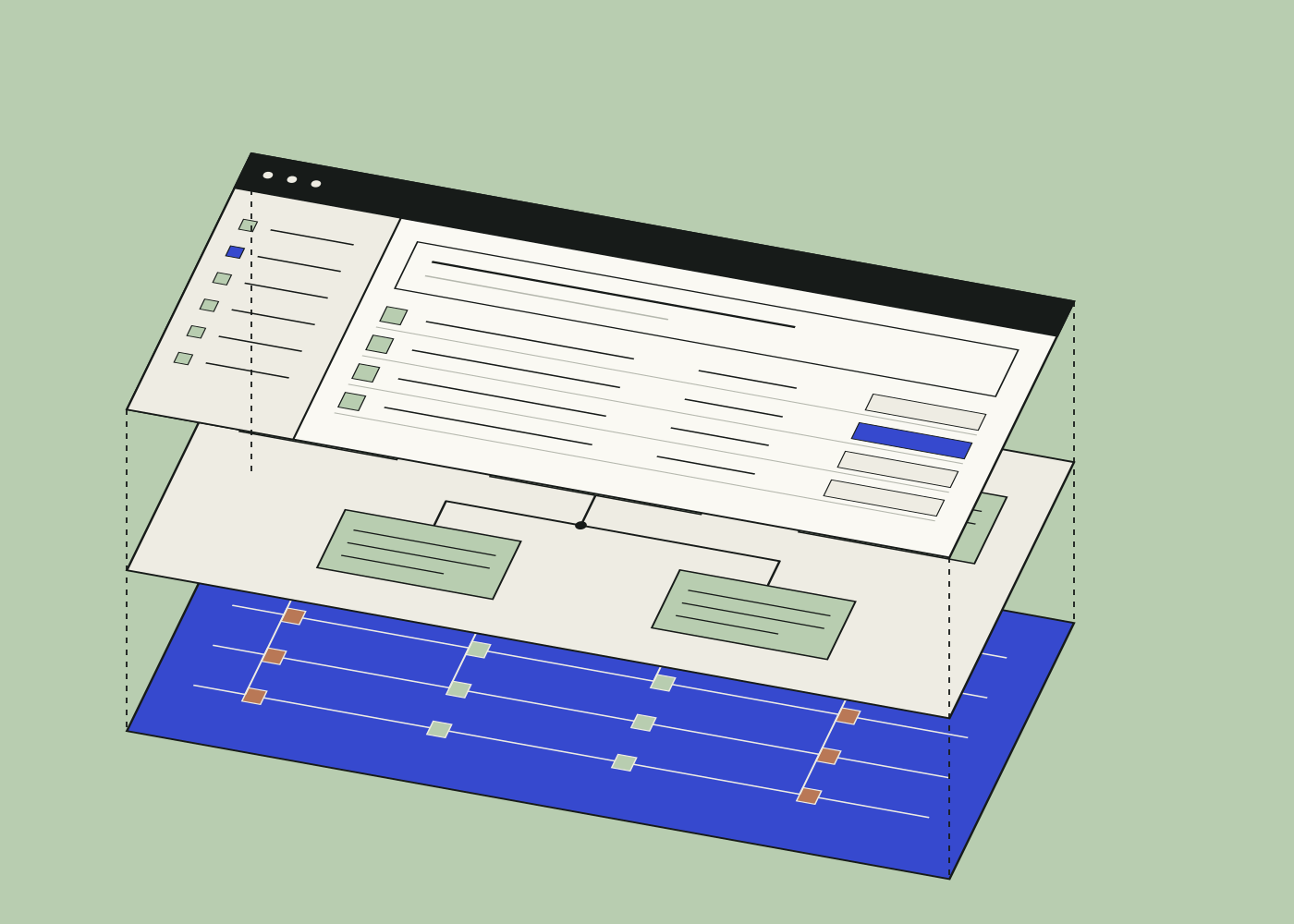
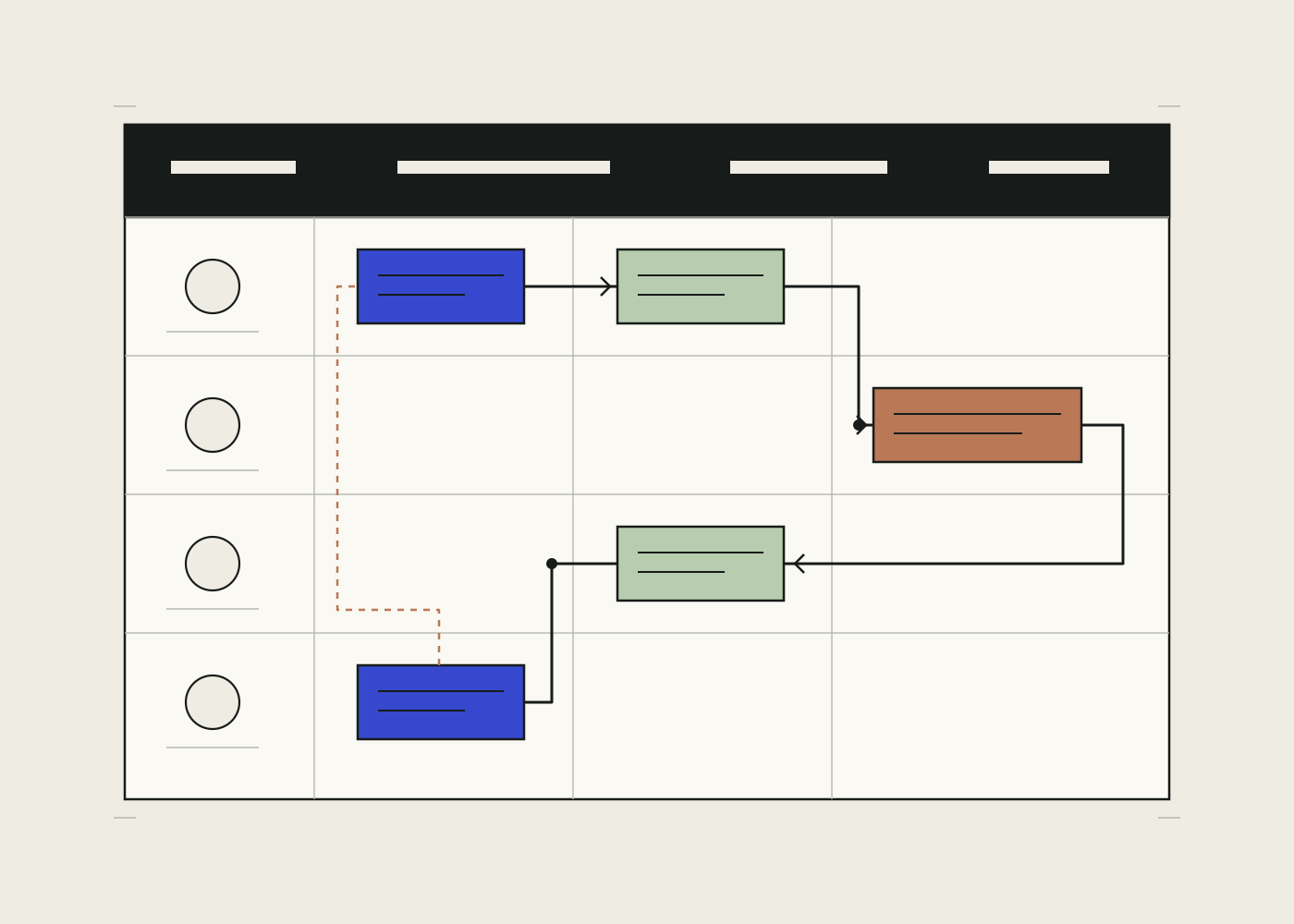
Work included in prototyping

Hypothesis and test scope

We define the technical question, alternatives, and conditions the prototype must represent. Scope specifies which result would support the decision.

Construction and testing

We implement the components needed to test the proposal and run technical or usage trials. We retain results and design decisions.

Recommendation and handover

We explain implications for architecture, scope, resources, and responsibilities. Handover includes materials and knowledge needed by the next team.

Prototypes for development decisions

Illustrative scenario

Solution development and technical capability building

A company may need a technical solution before it has the people and knowledge to maintain it. The project combines solution development with defined responsibilities, staff training, and knowledge transfer to the people who will continue operating it.

Illustrative scenario

Assessing a software investment

A company that needs more capacity may have several options: adapt its tools, develop an application, or change the process. A business case compares the work and investment each option requires with the benefits it is expected to provide.

Trial participation and handover

Participation in the engagement

The company explains the decision and provides data and participants for trials. Llull designs and builds the prototype. When identified, those continuing development participate in review and handover.

Handover and continuity

We deliver the prototype, execution instructions, test conditions and results, and technical recommendation. Subsequent implementation scope is defined using that evidence.