AI system feasibility evaluation

We investigate whether an AI system can perform a task under the company’s operating conditions. We design tests, compare alternatives, and document results that support decisions about development, integration, and further research.

On this page

What the AI proposal needs to demonstrate

The question and the comparison

An AI proposal often depends on assumptions that still need testing: that available information is sufficient, that the system can interpret business cases, or that its results can be reviewed with reasonable effort. The study starts by identifying which uncertainty could change the adoption decision and what evidence would help resolve it.

Llull prepares a set of cases with the people who know the task and establishes criteria before comparing solutions. We examine routine examples, difficult situations, and unacceptable outcomes. The comparison retains a reference for current work to assess whether the proposal offers a useful improvement and what conditions it requires.

Results and the decision

Tests reveal responses, actions, and errors, alongside review time, data dependencies, and execution costs. When a difference needs explaining, we examine the cases behind it and repeat the test with a specific modification. Conclusions remain tied to the sample and conditions under which they were obtained.

The result is a technical recommendation with evidence, limits, and a defined next step. It may lead to integrating an existing solution, developing custom behavior, improving sources, or investigating another approach. If the company proceeds, the test set becomes a reference for reviewing development and subsequent changes.
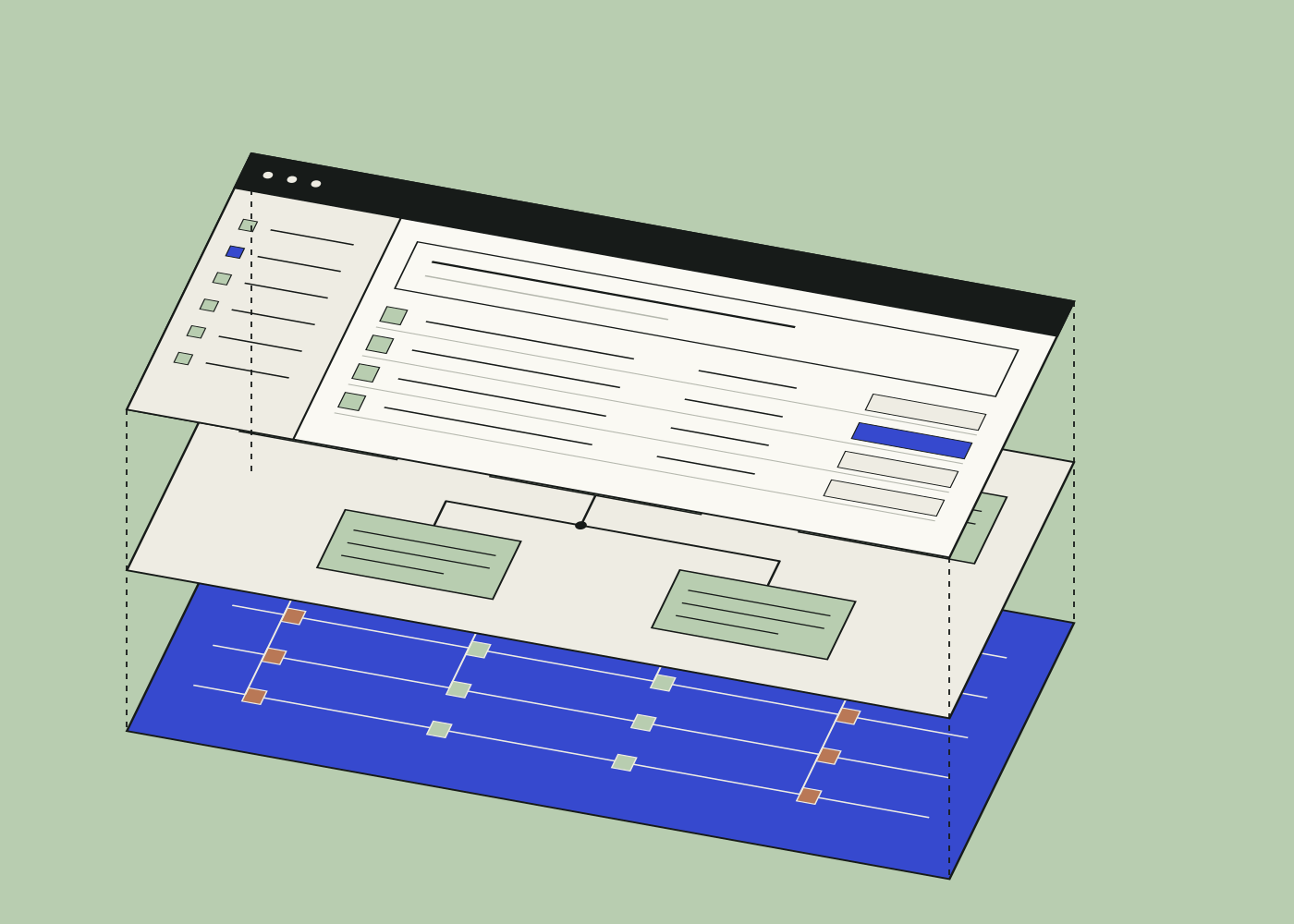
What the study covers

Research question

We define the task, the uncertainty to resolve, and the criteria for evaluating the proposal. We identify sources and the people who can review the results.

Comparable tests

We prepare representative cases and compare alternatives under recorded conditions. Evaluation can include quality, executed actions, corrections, response time, and usage cost.

Conclusions and next step

We document what the results support, what remains untested, and the work required for implementation. The recommendation identifies conditions for proceeding or changing the approach.

Evidence for decisions and later checks

Evidence for selection

The comparison relates achieved quality to the human review, data, and resources each alternative requires. The company gains criteria for discussing the proposal.

Evaluation that continues through development

Cases, criteria, and records can be reused to check new versions and detect behavioral changes during implementation.

Participation and study handover

Participation in the engagement

The company provides work examples, explains expected outcomes, and identifies case reviewers. Llull designs tests, implements comparisons, and documents the analysis.

Handover and continuity

We deliver the study, case set, protocol, and test results with their execution conditions. The recommendation includes limitations, open questions, and requirements for subsequent work.

Validation within a project with Llull

Illustrative scenario

Solution development and technical capability building

A company may need a technical solution before it has the people and knowledge to maintain it. The project combines solution development with defined responsibilities, staff training, and knowledge transfer to the people who will continue operating it.