Operational capability assessment and development

We assess the capabilities a company needs to carry out its plans and develop agreed improvements to processes, information, and tools. The work connects operational needs with an implementation plan and the people who will use and maintain the solutions.

On this page

The scope of the development

Capabilities and operational needs

We connect company objectives with the tasks, decisions, and resources required to meet them. We review processes, responsibilities, information, and tools to identify dependencies and improvement needs.

Design and development priorities

We define the proposed capabilities and sequence the initiatives needed to establish them. The plan identifies outcomes, owners, dependencies, and implementation conditions, with a sequence suited to the company’s resources.

Implementation and knowledge transfer

We develop the tools, procedures, and integrations included in the project. We support their use, train the responsible people, and assess whether the new way of working meets the agreed criteria.

A capability the company can sustain

A company may know its next objectives and need a practical way to organize the work required to achieve them. Handling more orders, delegating a function, or coordinating new departments requires responsibilities, information, and tools to work together. We study how that work is done and which capabilities are missing from the intended operation.

Llull connects tasks with the decisions that move them forward, the people involved, and the systems they use. We follow work examples and examine points where work depends on one person, information is lost, or corrections recur. That evidence helps distinguish what should be reorganized, what needs technology support, and what requires developing knowledge within the company.

With leadership and the relevant owners, we define the capability to establish and a sequence of improvements. An initiative can bring together procedures, data integration, applications, and training for the people who will operate the system. The proposal organizes dependencies and sets observable outcomes so each delivery has a clear function within the whole.

The work can continue through the design, construction, and introduction of the agreed improvements. During trials, we examine both how the tools function and whether people can use them in everyday work. Handover includes the procedures, knowledge, and responsibilities the company needs to sustain and further develop the new capability.
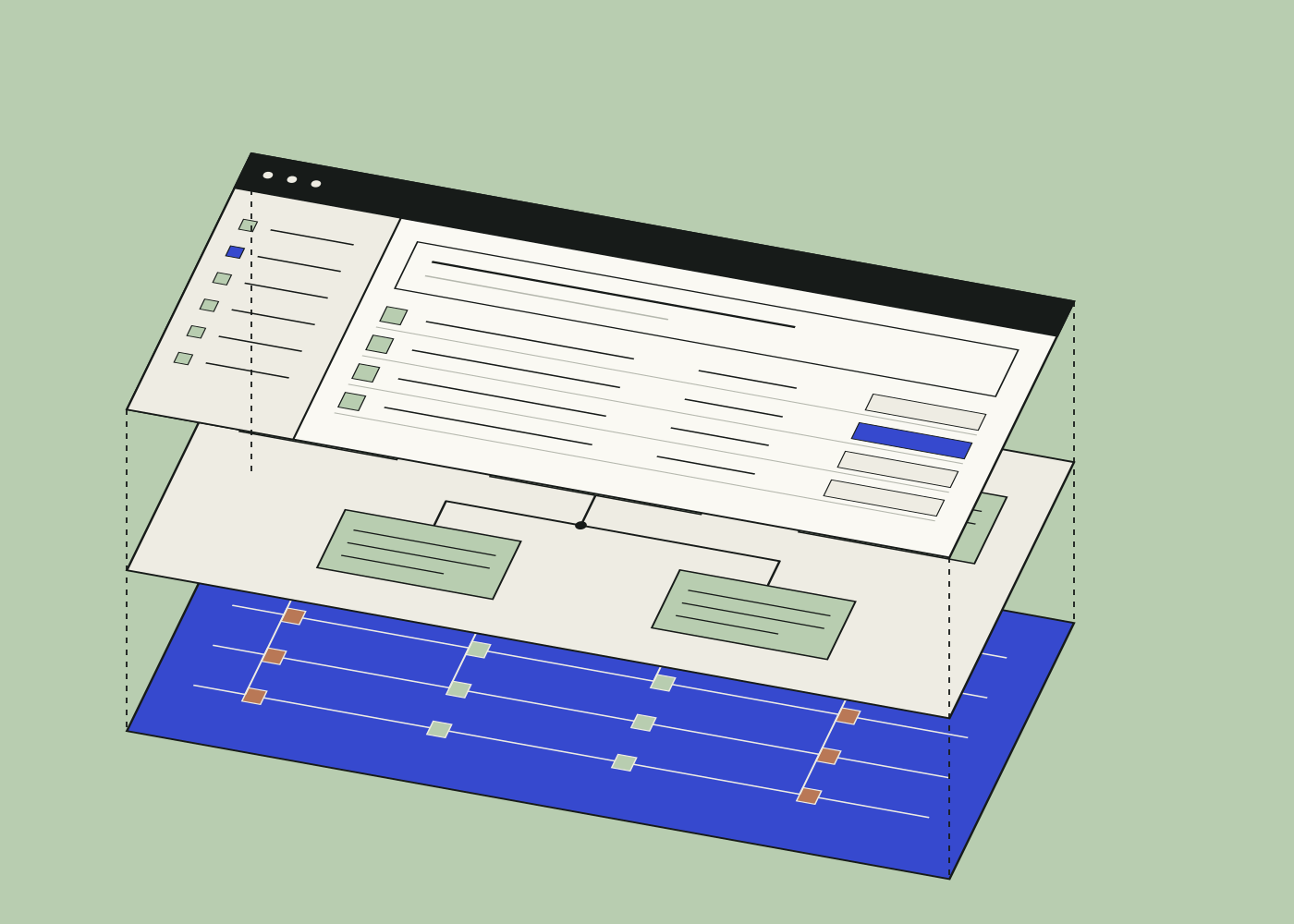
Operation after the engagement

Participation in the engagement

Leadership establishes objectives and agrees on priorities. The people doing the work provide examples, review designs, and participate in trials. Those who will take responsibility for administering the solutions are involved during development so they can understand the decisions and practise the tasks they will assume.

Handover and continuity

Handover brings together the capability assessment, agreed plan, and solutions included in implementation. We document their relationships, owners, and follow-up criteria. Training and knowledge-transfer sessions cover the use and maintenance needed for ongoing operation, together with needs left for subsequent development.

What changes in everyday work

Capabilities in use

The outcome is assessed through tasks and decisions the company can carry out with the solution. Depending on scope, the review may consider the autonomy of the people responsible, service capacity, continuity of information, and difficulties that remain in the process.

Development plan and priorities

The plan connects each improvement with a need and the dependencies it must resolve. The company can review progress, adapt the sequence, and decide which capabilities to develop next based on experience using the solution.

Capabilities for your next projects

Illustrative scenario

Solution development and technical capability building

A company may need a technical solution before it has the people and knowledge to maintain it. The project combines solution development with defined responsibilities, staff training, and knowledge transfer to the people who will continue operating it.