Integrated business operations

We connect the systems involved in a process so information can move between departments. The work includes agreeing on how data is recorded and updated, developing connections, and preparing operational monitoring.

On this page

Data, connections, and monitoring

Data and responsibilities

We document shared data, its source, and update rules. Departments review definitions and responsibilities so connections follow the agreed process.

System connections

We develop information exchanges and the necessary transformations. Scope can cover commercial, administrative, or operational systems, depending on the selected workflow.

Operational tracking

We prepare views and notifications to identify pending operations or differences between records. We define with the team how to review, correct, and confirm their resolution.

Follow an operation across departments

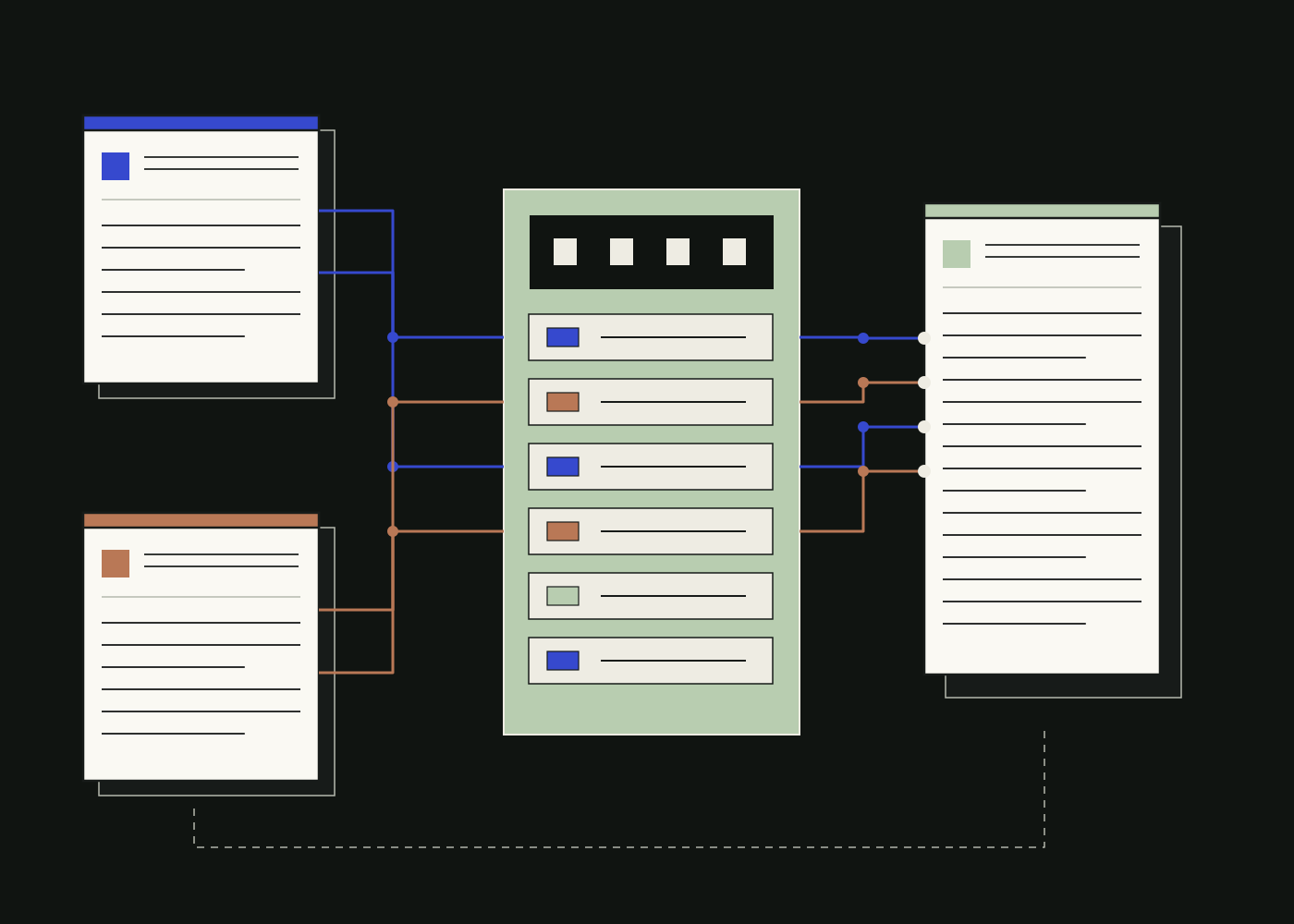
An operation can pass through sales, administration, and other departments using different tools. When each department re-enters or reinterprets the information, discrepancies emerge that someone must investigate. An integration project begins by following that journey and understanding what each person needs to receive to continue their work.

Llull identifies information sources and helps agree on which system maintains each item of data. This makes it possible to distinguish a valid update from a discrepancy requiring review. With the departments involved, we define what information is shared, when it is shared, and who responds when an operation remains incomplete.

Connections are developed around a workflow that can be tested from start to finish. The work covers ordinary exchanges as well as corrections, changes, and interruptions that occur in operations. The responsible staff review representative records and check that each department receives enough information to act.

When introducing integration, the company also needs a way to supervise it. We prepare monitoring views, discrepancy-review criteria, and response procedures. Staff can identify outstanding work and resolve it with shared context. Measurements of the workflow help determine where to adjust the process or extend the connections.
Review how the workflow operates

Less reconciliation work

The integrated process aims to reduce repeated entry and checks. We can compare reconciliation time and outstanding discrepancies before and after introducing connections.

Information for follow-up

The team has a way to check progress and address incomplete operations. Time between departments and the age of pending items help assess how the workflow operates.

From an order to its administrative record

Illustrative scenario

Integrated sales, inventory, and invoicing

A company selling through several channels can bring orders, inventory, payments, and invoices into a single process. Integration allows the team to review each sale’s status and address discrepancies within its working tools.

Supervising and maintaining connections

Participation in the engagement

The people producing and using information participate alongside system administrators. The company confirms operating rules and integration priorities. Llull documents agreements, develops connections, and organizes tests in which each department can review its part of the process.

Handover and continuity

We deliver the connections, information map, and instructions for supervising and maintaining the workflow. We document how to investigate discrepancies and who can resolve them. Ongoing service accounts for changes in connected tools and revisions to exchange rules, under a scope agreed according to the company's needs.