Governance and operating model

We define how operational responsibilities and decisions are distributed. The work connects roles, procedures, and tools so the company can coordinate departments and delegate using known criteria.

On this page

The coordination operations need

Decisions and responsibilities

As a company grows, one activity can involve people with different responsibilities and tools that do not share the same criteria. Some decisions remain concentrated in leadership, while others are resolved through informal agreements. We study those relationships to define how operations should be coordinated and what each function needs to take responsibility.

The operating model connects processes with the people who perform, review, and decide. Llull works with the company to establish each function’s boundaries, the information it needs, and the matters requiring collaboration. This describes how work is delegated and how decisions affecting several departments are handled.

Agreements people can apply

Agreements are tested through routine situations and business exceptions. An urgent request, an order change, or conflicting information can reveal responsibilities that are still unclear. We review those situations with the people involved and adjust the model before incorporating it into procedures, permissions, and tools.

Implementation includes the agreed changes to work systems and a practical explanation of responsibilities. People taking on new decisions review the criteria and information available to apply them. The model is documented so it can be updated when a function is introduced, a tool changes, or staff responsibilities are reorganized.
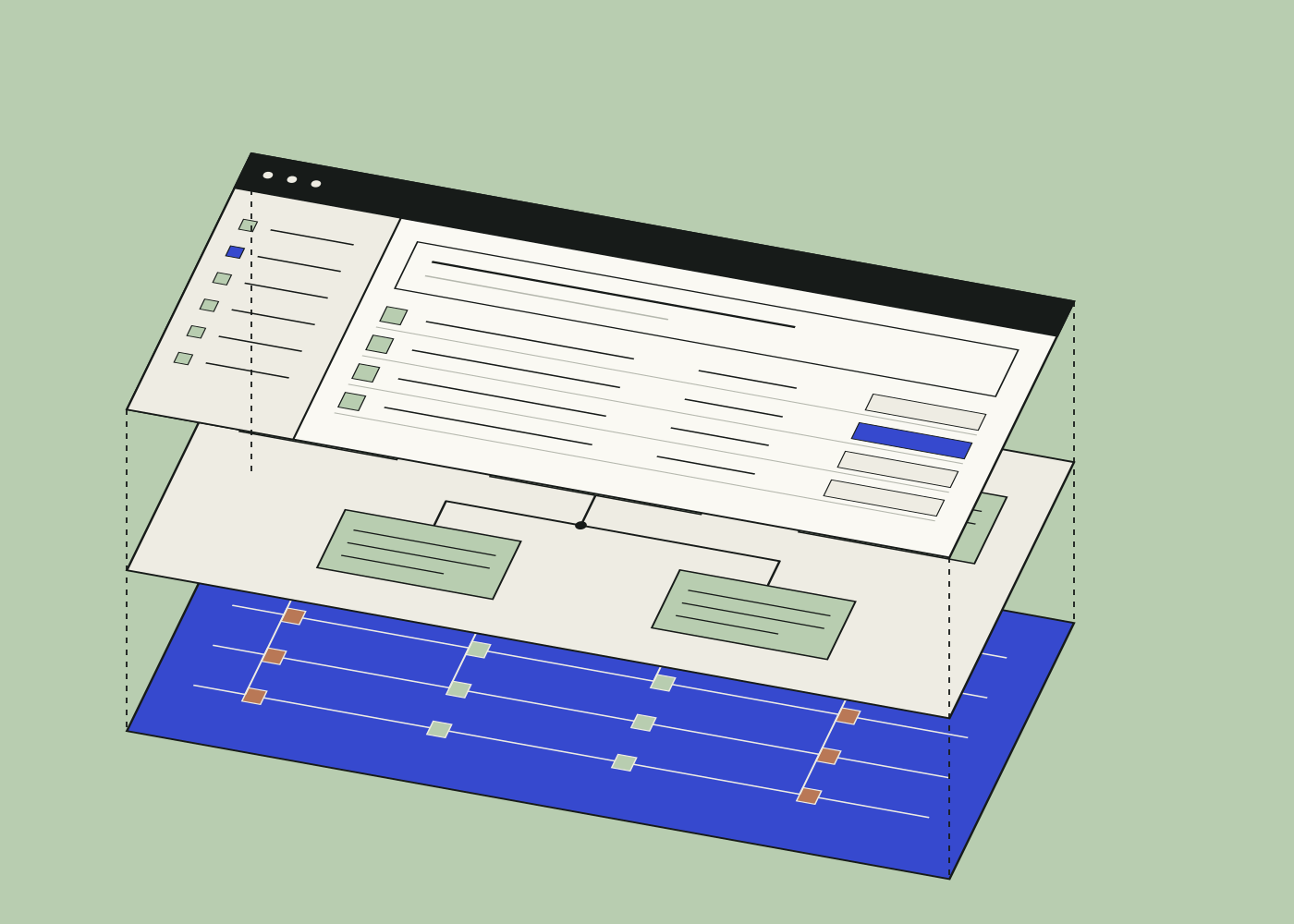
Functions, rules, and work systems

Functions and responsibilities

We connect processes with the functions that need to be covered. We document responsibilities, collaboration points, and the decisions assigned to each participant.

Coordination rules

We define how changes are requested and authorized, how exceptions are handled, and when another person needs to participate. Criteria are reviewed with those who will apply them.

Procedures and systems

We incorporate the model into procedures, forms, and permissions in the agreed tools. We prepare examples so the team can review everyday decisions and less frequent situations.

Agree on the model and keep it current

Participation in the engagement

Leadership, department owners, and people familiar with the processes participate. The company retains decisions over its structure and the authority assigned to each function.

Handover and continuity

We hand over the operating model, distribution of responsibilities, and procedures and adjustments included in the project. Knowledge-transfer sessions allow each owner to review their decisions and collaboration points. We also define how agreements will be updated when functions, people, or systems change.

Delegation and coordination in practice

Delegation with clear criteria

The team has responsibilities and criteria it can consult. Follow-up can examine pending decisions, returned work, and matters that continue to concentrate on one person.

Coordination across departments

Handoff and review points are defined among participants. This makes it possible to examine delays, responsibility conflicts, and requests spanning several functions.

Responsibilities for a new capability

Illustrative scenario

Solution development and technical capability building

A company may need a technical solution before it has the people and knowledge to maintain it. The project combines solution development with defined responsibilities, staff training, and knowledge transfer to the people who will continue operating it.