Analysis and recommendation models

We develop models that help compare options, estimate outcomes, and propose priorities using business data. We define criteria with the company and test the usefulness of recommendations before incorporating them into its tools.

On this page

Which part of a decision can be modeled

Some decisions recur with substantial information and criteria that are difficult to apply consistently. Selecting prospective partners, prioritizing requests, or estimating needs may require combining records, preferences, and constraints. Llull studies how the decision is made and which part of the analysis can become a model the team can review.

Development starts by checking what the data represents and how previous outcomes were observed. We define a comparison baseline and choose an approach suited to the available information. It can combine explicit rules, statistical analysis, or machine learning models when the data and task support their evaluation.

We test proposals with cases and time periods suitable for examining their behavior. The team compares recommendations with its criteria and explains disagreements containing useful information. Reviews help reveal incomplete data, effects of commercial conditions, or preferences not yet represented.

The model is incorporated into a tool that displays its outputs and the information needed to interpret them. The company retains the decision and can record what happened afterward. This follow-up supports reviewing assumptions, updating data, and checking whether recommendations remain useful as operations change.
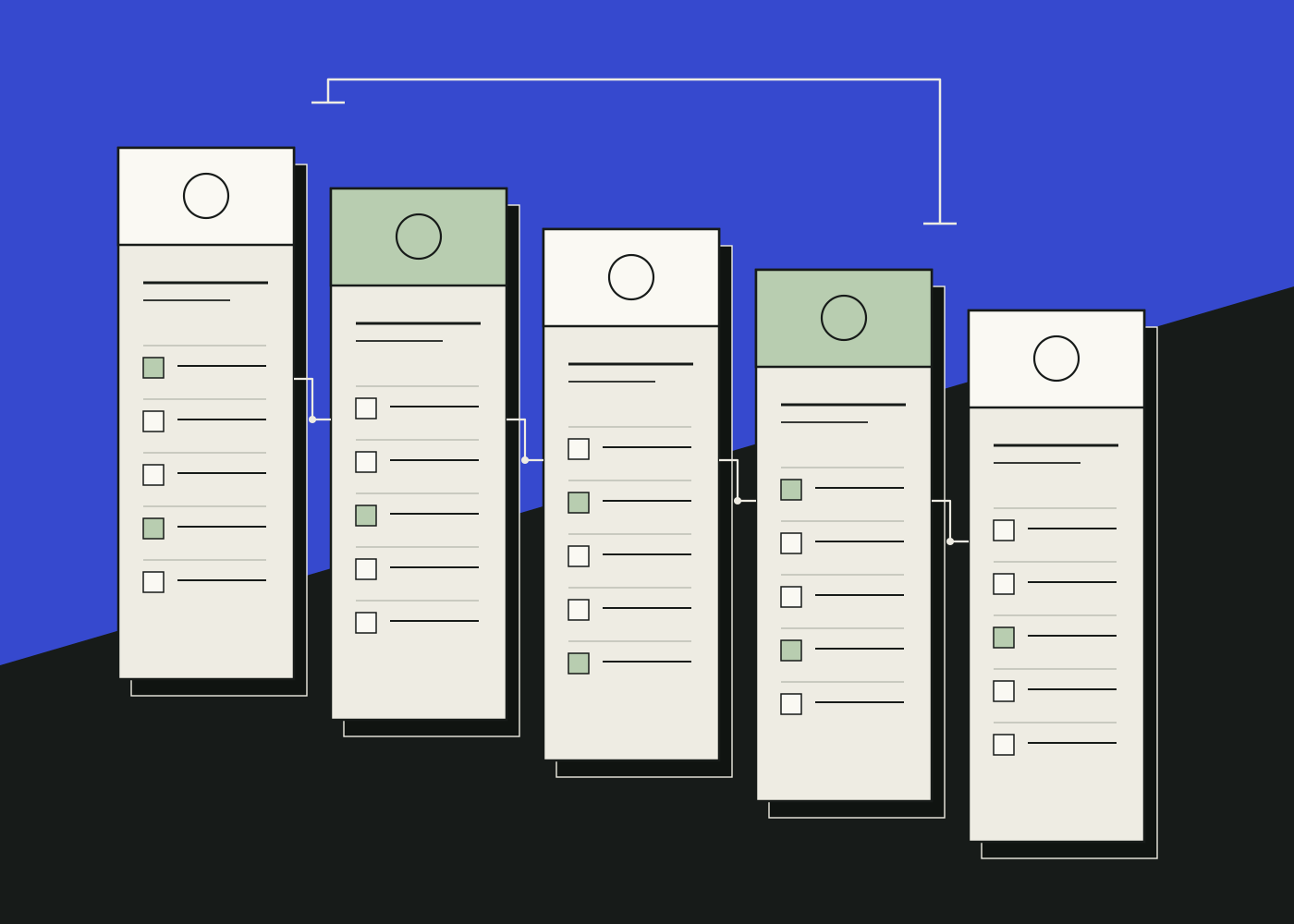
Compare options in their business context

Illustrative scenario

Assessment and tracking of commercial partners

A company selling through other stores needs to compare results and decide which relationships to continue. An information system can bring together the terms of each agreement, inventory, and sales, while organizing the assessment of potential partners.

The work behind the recommendations

Decision criteria and data

We examine how options are compared and which information is available. We define observable outcomes, constraints, and a reference for evaluating proposals.

Model development and comparison

We build alternatives suited to the data and compare them using evaluation cases. We document assumptions, variables, and observed differences.

Tool and follow-up

We integrate the model with a viewing and review interface. We define how decisions and outcomes are recorded to maintain recommendation quality.

Consistent criteria and reviewable outcomes

Consistently applied criteria

The model combines information and criteria to present options that can be discussed and reviewed in each case’s context.

Outcomes that support review

Decision and outcome records help identify when a recommendation was useful and which changes are needed in the model or its information.

Criteria, interpretation, and continuity

Participation in the engagement

The company defines decisions, provides data, and reviews results using its experience. Llull develops and evaluates models, prepares integrations, and documents usage criteria.

Handover and continuity

We deliver the model, data transformations, evaluation results, and agreed tool. Documentation explains assumptions, interpretation of outputs, and conditions for updating it.